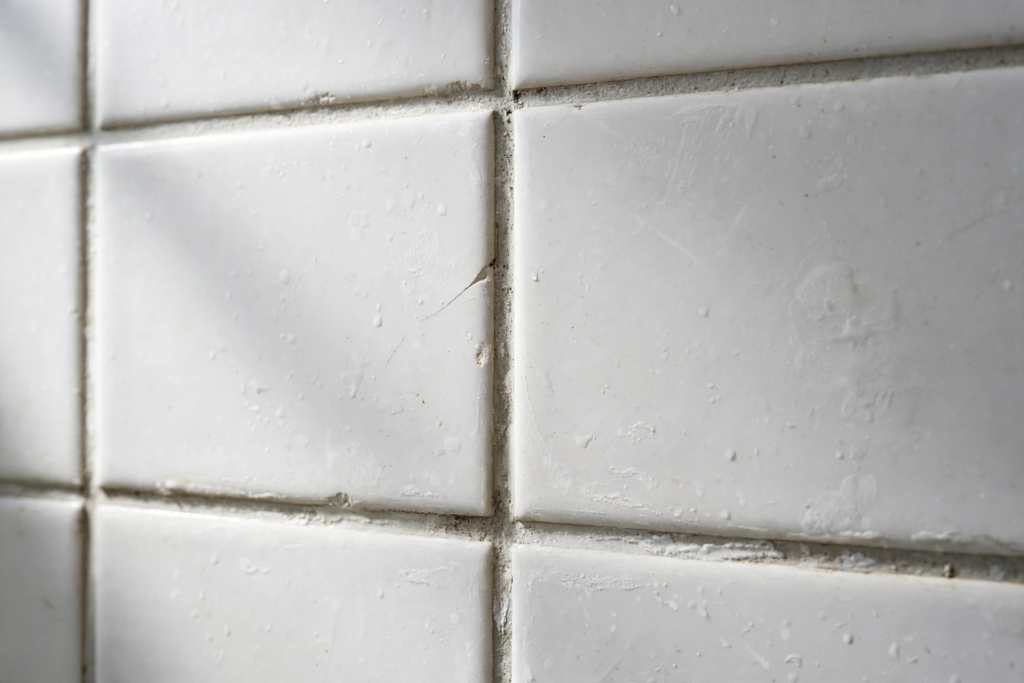
Soap scum has a way of making even a freshly cleaned bathroom look dull and neglected. It leaves behind a white or cloudy film that clings to shower tiles, making them feel rough and look dirty.
The good news is that you don’t need strong chemical cleaners to tackle the problem. In many cases, common household ingredients can break down soap scum effectively while being safer for your family, your wallet, and the environment.
This guide explains how to remove soap scum from shower tiles naturally, when these eco-friendly methods work best, and what mistakes to avoid so the buildup doesn’t come right back.
What Causes Soap Scum on Shower Tiles?
According to the U.S. Geological Survey (USGS), hard water contains high levels of calcium and magnesium, which accelerate soap scum formation.
Soap scum forms when traditional bar soap reacts with minerals like calcium and magnesium found in hard water. Instead of washing away, these minerals combine with soap residue and stick to tile surfaces.
Other factors can make buildup happen faster:
- Hard water
- Infrequent cleaning
- Poor bathroom ventilation
- Leaving water droplets on the walls after every shower
- Using bar soap instead of liquid body wash
The longer soap scum sits, the harder it becomes to remove.
Helpful Tip: If your shower has both white chalky spots and slippery residue, you may be dealing with both soap scum and hard water stains. They often appear together but require slightly different cleaning approaches.
Supplies You’ll Need
Most homeowners already have everything required.
- White distilled vinegar
- Baking soda
- Spray bottle
- Soft sponge
- Microfiber cloth
- Soft-bristle scrub brush
- Warm water
- Rubber gloves (optional)
Avoid steel wool or abrasive scrub pads since they can scratch glazed tiles.
Method 1: White Vinegar (Best for Light to Moderate Soap Scum)
White vinegar is one of the most effective natural cleaners because its mild acidity helps dissolve mineral deposits and soap residue.
Step 1: Warm the Vinegar
Slightly warming the vinegar increases its cleaning power. It should be warm—not boiling.
Step 2: Spray Generously
Cover the affected tiles completely.
Step 3: Wait 15–20 Minutes
Give the vinegar time to soften the buildup.
One of the biggest mistakes people make is spraying and immediately scrubbing. The waiting period does most of the work.
Step 4: Scrub Gently
Use a soft sponge or nylon brush.
Step 5: Rinse Thoroughly
Flush the loosened residue away with warm water.
Dry the tiles afterward with a microfiber cloth for the best finish.
Method 2: Baking Soda Paste for Stubborn Areas
If vinegar alone isn’t enough, baking soda provides gentle abrasion without being overly aggressive.
Make the Paste
Mix:
- 3 tablespoons baking soda
- Enough water to form a thick paste
Spread it over the soap scum.
Let it sit for about 10 minutes.
Then scrub gently with a sponge before rinsing.
Why It Works
Baking soda helps lift softened residue while minimizing scratches on ceramic and porcelain tile.
Method 3: Combine Vinegar and Baking Soda (The Right Way)
Many people mix vinegar and baking soda together immediately, but that isn’t the most effective approach.
When combined in the same container, they quickly neutralize each other, reducing much of the cleaning power.
Instead:
- Spray vinegar first.
- Let it sit.
- Sprinkle baking soda over the damp surface.
- Scrub while the mild fizz helps loosen residue.
- Rinse completely.
This sequence produces better results than premixing the ingredients.
Natural Cleaners to Avoid
Not every DIY cleaning tip found online is suitable for shower tiles.
Avoid these unless your tile manufacturer specifically recommends them:
| Cleaner | Why to Avoid |
|---|---|
| Lemon juice on natural stone | Can etch marble, travertine, and limestone |
| Steel wool | Scratches glazed surfaces |
| Bleach mixed with vinegar | Creates dangerous chlorine gas |
| Abrasive powders | Can wear away protective finishes |
One of the most overlooked mistakes is using acidic cleaners on natural stone. While vinegar is excellent for ceramic and porcelain tiles, it can permanently damage marble and similar materials.
How Often Should You Clean Shower Tiles?
Preventing soap scum is much easier than removing thick layers later.
Here’s a simple schedule:
| Task | Frequency |
|---|---|
| Rinse shower walls | After every shower |
| Wipe tiles dry | 2–3 times per week |
| Natural vinegar cleaning | Weekly |
| Deep cleaning | Monthly |
Even spending one minute wiping down the walls after showering can dramatically reduce future buildup.
Why Your Soap Scum Keeps Coming Back
If soap scum returns only days after cleaning, one of these issues is usually responsible:
Hard Water
Mineral-rich water accelerates buildup.
If hard water is severe, consider installing a showerhead filter or whole-house water softener.
Poor Ventilation
Moisture keeps residue stuck to tile surfaces.
Run the bathroom exhaust fan for at least 20 minutes after showering.
Bar Soap
Traditional soap creates more residue than many liquid body washes.
Switching products alone can noticeably reduce future cleaning.
Skipping the Drying Step
Leaving water droplets behind allows minerals and soap to dry onto the surface.
A simple squeegee often makes a bigger difference than stronger cleaners.
Can Natural Cleaners Remove Heavy Soap Scum?
If you are wondering how to remove soap scum from shower tiles naturally when the buildup is severe, the answer is usually yes—but it takes a bit more patience.
Natural methods work well when:
- Soap scum is cleaned regularly.
- The buildup is only a few weeks old.
- The tiles are ceramic or porcelain.
Extremely thick buildup that has accumulated for months may require multiple cleaning sessions or a specialized commercial cleaner.
If you choose a commercial product, always follow the manufacturer’s instructions and test it on an inconspicuous area first.
Common Mistakes to Avoid
Many homeowners accidentally make cleaning more difficult by:
- Scrubbing before allowing cleaners time to work
- Using abrasive pads
- Mixing bleach and vinegar
- Cleaning without rinsing thoroughly
- Ignoring ventilation
- Waiting months between cleanings
A little routine maintenance saves hours of scrubbing later.
Tips to Prevent Soap Scum Naturally
Keeping soap scum away is easier than removing it.
Consider these habits:
- Use a shower squeegee after every shower.
- Leave the bathroom door open to improve airflow.
- Run the exhaust fan after bathing.
- Clean weekly instead of monthly.
- Switch from bar soap to liquid body wash if possible.
- Dry shower walls with a microfiber cloth.
These simple steps can significantly reduce future buildup without adding much time to your routine.
Final Thoughts
Learning how to remove soap scum from shower tiles naturally doesn’t require expensive cleaners or harsh chemicals. White vinegar, baking soda, and a consistent cleaning routine are enough for most ceramic and porcelain showers.
The biggest secret isn’t using stronger products—it’s preventing thick layers from forming in the first place. A quick weekly cleaning and a few seconds spent drying the walls after each shower can keep your tiles looking clean with far less effort.
If you’re dealing with other bathroom buildup, don’t forget to check for hard water stains regularly, and if your kitchen has similar issues, see how to clean a dishwasher filter to prevent mineral deposits from affecting performance.
Frequently Asked Questions
Does vinegar damage shower tiles?
Vinegar is generally safe for ceramic and porcelain tiles. However, avoid using it on natural stone surfaces like marble, travertine, or limestone because the acid can cause permanent etching.
Is baking soda safe for grout?
Yes. Baking soda is mildly abrasive and is usually safe for grout when used gently with a soft brush. Avoid excessive scrubbing on older or damaged grout.
Can I use apple cider vinegar instead of white vinegar?
White distilled vinegar is the better choice because it’s clear, inexpensive, and less likely to leave stains or residue.
Why does soap scum return so quickly?
Hard water, poor ventilation, frequent use of bar soap, and leaving shower walls wet after use are the most common causes.
How long should vinegar sit before scrubbing?
For most soap scum, let vinegar sit for 15–20 minutes. Thick buildup may benefit from up to 30 minutes, provided the tile surface is vinegar-safe.
Is a steam cleaner a natural alternative?
Yes. Steam cleaners can loosen soap scum using only water, making them a good option for people who prefer to avoid cleaning solutions altogether.
How This Article Was Prepared
This article was prepared through AI-assisted research and human editorial review.
The research process included:
- Reviewing U.S. Geological Survey (USGS) information on hard water minerals
- Reviewing tile manufacturer cleaning guidance for ceramic and porcelain tiles
- Comparing common natural cleaning methods and their limitations
The author did not personally test every method described here. Information may vary by tile material, grout condition, and water hardness. Always check your tile manufacturer’s instructions.
Editorial Note: White vinegar is not recommended for natural stone such as marble, travertine, or limestone. Test any cleaning method on a small, inconspicuous area first. For persistent buildup or damaged grout, consult a professional.
Sources reviewed:
- U.S. Geological Survey – Hard water and mineral content
- Tile and grout manufacturer cleaning guidance

James L is the founder and editor of Clever Nest Lab, an independent home care website focused on practical, research-based household advice. He reviews manufacturer guidance, official documentation, and reliable sources to turn useful information into clear, practical guides.
Clever Nest Lab distinguishes between first-hand testing and research-based recommendations. The goal is to help readers better understand common household problems, follow safer cleaning and maintenance practices, and make informed decisions.