Using vinegar in dishwasher cycles is a popular cleaning method for many homeowners. White vinegar is a popular household cleaning option because it is inexpensive, easy to find, and can help dissolve light mineral deposits.
Many homeowners use vinegar to clean appliances because it has mild acidity that may help with:
- Light hard water deposits
- Mineral residue
- Mild odors
- Some surface buildup
However, a cleaner that removes buildup is not always suitable for every appliance. Dishwasher designs, materials, and manufacturer recommendations vary, so it is important to understand both the possible benefits and limitations of using vinegar.
The Short Answer
Vinegar does not automatically damage every dishwasher, but frequent or improper use may not be suitable for all models.
A quick summary:
- Vinegar may help with light mineral deposits in some dishwashers.
- Occasional use may be acceptable if recommended by the manufacturer.
- Frequent use is not recommended for every dishwasher model.
- Vinegar is not a replacement for dishwasher-specific cleaners in all situations.
- Vinegar should never be mixed with bleach or other cleaning chemicals.
- Always check the owner’s manual before making vinegar part of your maintenance routine.
Because dishwasher materials differ between brands and models, there is no single recommendation that applies to every appliance.
Why People Use Vinegar in Dishwashers
White vinegar contains acetic acid, which can help dissolve certain mineral deposits.
This is why some homeowners use it for:
- White residue caused by mineral buildup
- Light water spots
- Mild odors related to residue
However, vinegar does not remove all types of dishwasher buildup.
For example:
- Heavy grease usually requires detergent-based cleaning.
- Food debris is better removed by cleaning the filter.
- Blocked spray arms require physical cleaning.
A dishwasher often needs different maintenance steps depending on the actual problem.
Can Vinegar Affect Dishwasher Parts?
A dishwasher contains several different materials, including:
- Stainless steel surfaces
- Rubber door gaskets
- Plastic spray arms
- Pump components
- Drain hoses
- Coated surfaces
Some manufacturers caution against frequent exposure to acidic cleaners because certain materials may not be designed for repeated contact with acidic solutions.
The concern is usually not occasional contact, but using vinegar repeatedly as a routine cleaning method without checking manufacturer guidance.
| Part | Occasional Vinegar Use | Frequent Vinegar Use |
|---|---|---|
| Stainless steel interior | Often acceptable if manufacturer allows | Follow manufacturer guidance |
| Rubber seals | Usually not a concern with limited use | Manufacturer caution may apply |
| Plastic components | Generally durable | Long-term effects may vary |
| Pump-related parts | Check manufacturer recommendations | Frequent exposure may not be recommended |
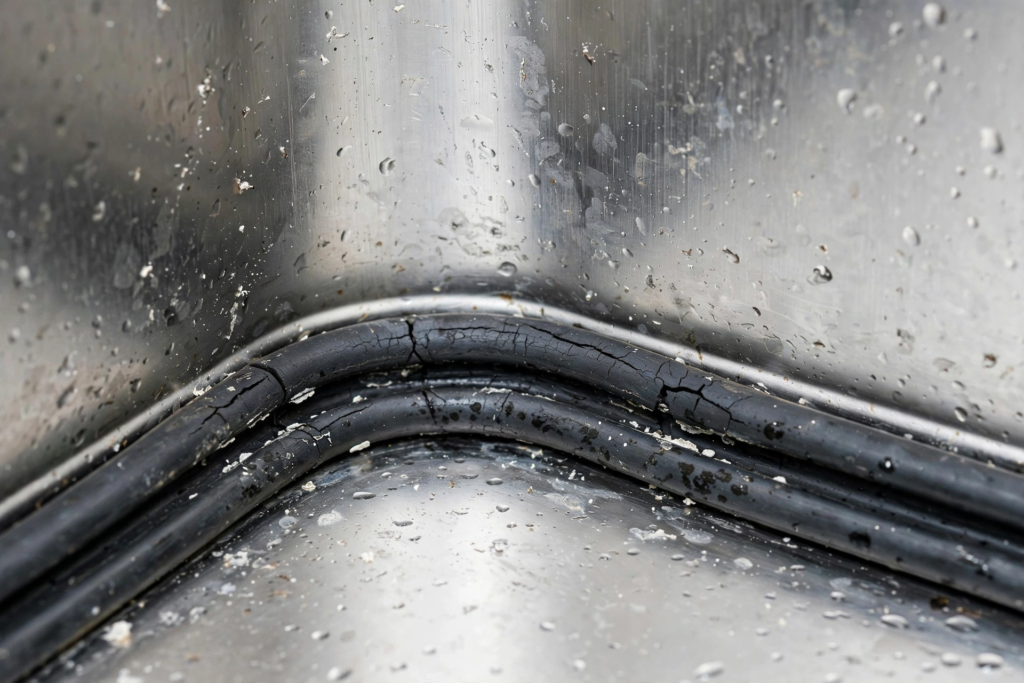
7 Things to Know Before Cleaning a Dishwasher With Vinegar
1. Vinegar May Help With Light Mineral Deposits
Vinegar can help loosen small amounts of mineral residue because of its mild acidity.
However, thick hard water scale may require a dishwasher descaler designed specifically for appliances.
2. Vinegar Does Not Replace Filter Cleaning
Many dishwasher odors and cleaning problems are caused by trapped food particles.
For step-by-step instructions, see How to Clean a Dishwasher Filter in 7 Easy Steps to remove trapped food debris and improve cleaning performance.
Cleaning the filter is usually more effective for removing:
- Food debris
- Greasy residue
- Organic buildup
3. Spray Arms May Need Separate Cleaning
If dishes remain dirty, vinegar alone may not solve the problem.
Mineral deposits can block spray arm openings and reduce water coverage.
Cleaning the spray arms directly is often more effective.
See our guide on How to Clean Dishwasher Spray Arms Properly.
4. Vinegar Is Not the Best Cleaner for Heavy Grease
Vinegar can help with mineral residue, but it is not designed to break down heavy grease as effectively as dishwasher detergents or appliance cleaners.
If your dishwasher has greasy buildup, focus on:
- Cleaning the filter
- Removing food debris
- Using the correct detergent
5. Manufacturer Recommendations Matter
Dishwasher brands use different materials and designs.
Some manufacturers recommend dishwasher-specific cleaning products rather than household acids.
Before using vinegar regularly, check your owner’s manual or manufacturer guidance.
6. Never Mix Vinegar With Bleach
Vinegar should never be combined with bleach.
The CDC warns that household bleach should never be mixed with other cleaners or disinfectants because dangerous vapors can be be released. Learn more in Cleaning and Disinfecting with Bleach.
According to the U.S. Centers for Disease Control and Prevention (CDC), mixing certain household cleaning chemicals can create dangerous gases.
Avoid combining cleaning products unless the manufacturer specifically approves the combination.
7. Vinegar Is Not Always Necessary
Many dishwasher maintenance problems can be prevented with simple habits:
- Cleaning the filter regularly
- Checking spray arms
- Using fresh detergent
- Removing large food particles before loading
- Running manufacturer-recommended cleaning cycles
A regular maintenance routine is often more effective than relying on one cleaning product.
How to Use Vinegar More Carefully (If Your Manufacturer Allows It)
If your owner’s manual allows vinegar use, these steps may help reduce unnecessary exposure:
Step 1: Empty the dishwasher completely.
Step 2: Clean the filter before running any cleaning cycle.
Step 3: Place about one cup of white vinegar in a dishwasher-safe bowl.
Step 4: Put the bowl securely on the top rack.
Step 5: Run a hot-water cycle without detergent.
Step 6: Wipe areas such as the door gasket with clean water afterward if needed.
Avoid pouring vinegar directly onto rubber seals or leaving acidic liquids sitting inside the dishwasher for extended periods.
Better Alternatives to Vinegar for Dishwasher Maintenance
If you prefer a method specifically designed for dishwashers, consider:
- Using a dishwasher cleaner recommended by the manufacturer
- Cleaning the filter every few weeks
- Wiping the door gasket with mild soap and water
- Checking spray arms for blocked openings
- Using the correct amount of dishwasher detergent
- Running maintenance cycles when recommended
These steps address common causes of odors, residue, and poor cleaning performance.
When Should You Avoid Vinegar Completely?
Avoid using vinegar if:
- Your owner’s manual advises against acidic cleaners
- You are unsure whether your dishwasher materials are compatible
- You plan to mix it with bleach or other chemicals
- The dishwasher has damaged seals or leaks
If odors or residue continue after cleaning, the problem may not be mineral buildup. A clogged filter, blocked spray arm, drainage issue, or mechanical problem may require a different solution.
When to Call a Professional
Consider professional service if:
- The dishwasher continues leaking
- Water remains after cycles
- Spray arms do not rotate properly
- The dishwasher makes unusual noises
- Cleaning performance does not improve after maintenance
Issues involving pumps, drainage components, heating systems, or damaged seals usually require inspection rather than additional cleaning products.
FAQ
Can I run vinegar through my dishwasher every month?
Not necessarily. Some dishwasher owners use vinegar occasionally, but monthly vinegar cleaning is not recommended by every manufacturer. Always check your owner’s manual first.
Is white vinegar better than apple cider vinegar?
If vinegar is permitted, distilled white vinegar is generally preferred because it is clear and does not contain sugars or coloring that may leave residue.
Does vinegar remove hard water stains?
Vinegar may help with light mineral deposits. Heavy hard water scale may require a dishwasher descaler or manufacturer-approved cleaner.
Can vinegar remove dishwasher odors?
Sometimes. If the odor comes from mineral residue, vinegar may help in some cases. However, odors caused by trapped food or drainage issues usually require different maintenance steps.
Can vinegar damage a stainless steel dishwasher?
The stainless steel interior is usually not the main concern. The more important consideration is whether repeated acidic exposure is suitable for rubber seals, plastics, and other components in your specific model.
Conclusion
Vinegar can be a useful household cleaner for some dishwasher situations, but it is not the best choice for every appliance.
Before using vinegar, check your owner’s manual and consider the type of buildup you are trying to remove. Filter cleaning, spray arm maintenance, and proper detergent use are often more important for keeping a dishwasher working well.
If dishwasher odors continue, you may also want to read our guide on Why Does My Dishwasher Smell Bad?
Following manufacturer recommendations and performing regular maintenance will help protect dishwasher performance over time.
How This Article Was Prepared
This article was prepared through AI-assisted research and human editorial review.
The research process included reviewing dishwasher manufacturer maintenance guidance, appliance care information, and public safety information about household cleaning chemicals.
The author did not personally test every dishwasher model. Recommendations vary depending on manufacturer, appliance design, and materials. Always consult your owner’s manual before using vinegar or other cleaning products.
Sources reviewed:
- Dishwasher manufacturer maintenance and cleaning guidance
- U.S. Centers for Disease Control and Prevention (CDC) – household chemical safety information
- Public information about vinegar acidity and appliance care
Editorial Note:
Never mix vinegar with bleach or other cleaning chemicals. Avoid abrasive tools that may damage dishwasher surfaces. If your dishwasher has leaks, electrical concerns, or persistent mechanical problems, consult a qualified appliance professional.

James L is the founder and editor of Clever Nest Lab, an independent home care website focused on practical, research-based household advice. He reviews manufacturer guidance, official documentation, and reliable sources to turn useful information into clear, practical guides.
Clever Nest Lab distinguishes between first-hand testing and research-based recommendations. The goal is to help readers better understand common household problems, follow safer cleaning and maintenance practices, and make informed decisions.